
Every CMO eventually sits across from a CFO who wants to cut the marketing budget, and every CMO has a choice in that moment: get defensive, or get fluent. I chose fluent a long time ago, and it's changed every budget conversation I've had since.
CFOs aren't skeptical of marketing. They're skeptical of unproven claims.
This distinction matters more than most marketers realize. A CFO isn't philosophically opposed to spending money on marketing. They're opposed to spending money on anything, marketing included, without a defensible model for what it returns. If your budget request leans on brand awareness or share of voice without a line to revenue, you haven't made a financial case. You've made a marketing case, and it will lose to any other department that made a financial one.
Speak in the same units as every other budget request
The language that wins in a budget meeting is the language finance already uses: payback period, cost per acquisition, contribution margin, pipeline coverage ratio. I build every significant budget ask around these terms, translating what marketing wants to do into what it costs to acquire a customer and how fast that customer pays it back.
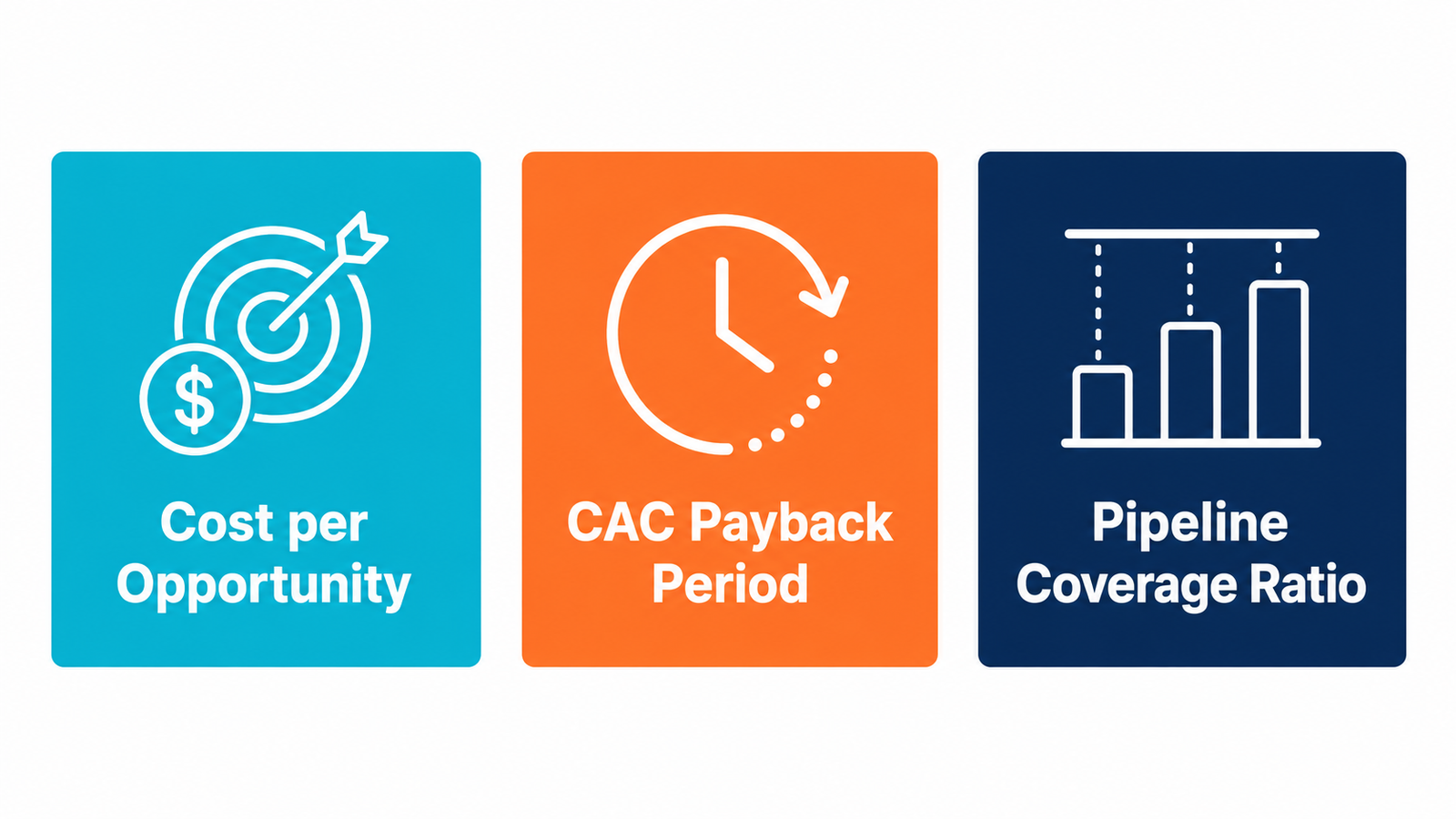
The three numbers I always bring
- Cost per qualified opportunity, by channel, trended over the last two quarters
- CAC payback period, and how the proposed investment changes it
- Pipeline coverage ratio against the sales team's quota, and the gap this investment closes
Show the downside case too
One thing that built more trust with CFOs than any single spreadsheet: I stopped only presenting the upside case. I show what happens if the channel underperforms, what the floor looks like, and at what point I'd pull the plug and reallocate. A CFO who sees you've already thought through the failure mode trusts your success case far more.
Make the ask smaller before you make it bigger
I rarely ask for a full year of budget upfront on anything new. I ask for a quarter, with a clear metric that determines whether it earns the next quarter. This isn't just good financial discipline, it's good politics: it gives a skeptical CFO an easy yes, because the downside is capped and the next decision point is already built in.
The real goal: become the department finance trusts
The long game here isn't winning one budget meeting. It's becoming the department whose numbers the CFO doesn't double-check, because you've built a track record of forecasting honestly and reporting the misses along with the wins. That reputation is worth more than any single approved budget line, and it's the difference between fighting for marketing spend every quarter and having it assumed.