
Post-merger marketing integration is one of the harder problems in the discipline, because it isn't really about design or a new logo. It's about two organizations, each with their own customers, credibility, and internal culture, needing to become one coherent story without either side feeling erased.
Start with what each brand actually earned, not what's convenient to keep
The first mistake I see in merger marketing is treating brand equity as a political negotiation instead of a factual one. I start by mapping what each brand has genuinely earned in the market: name recognition, category authority, customer trust, technical credibility. That map, not internal preference, should drive what survives the integration and what doesn't.
Positioning has to answer one question immediately
Every customer and prospect on both sides of a merger is asking the same question the moment they hear the news: what does this actually mean for me? Positioning work after a merger has to answer that directly and early, for existing customers on both sides, before it worries about a unified brand story for new prospects. I've found that customers forgive almost any structural change if they feel informed. They don't forgive silence.
Messaging discipline across two sales teams
Mergers often mean two sales teams, each fluent in their own product's story, suddenly needing to sell a combined offering. I build messaging that lets each team keep speaking with authority about what they know best, while giving them a shared, simple framework for how the two offerings fit together. Forcing every salesperson to become equally fluent in both product lines overnight almost always backfires.
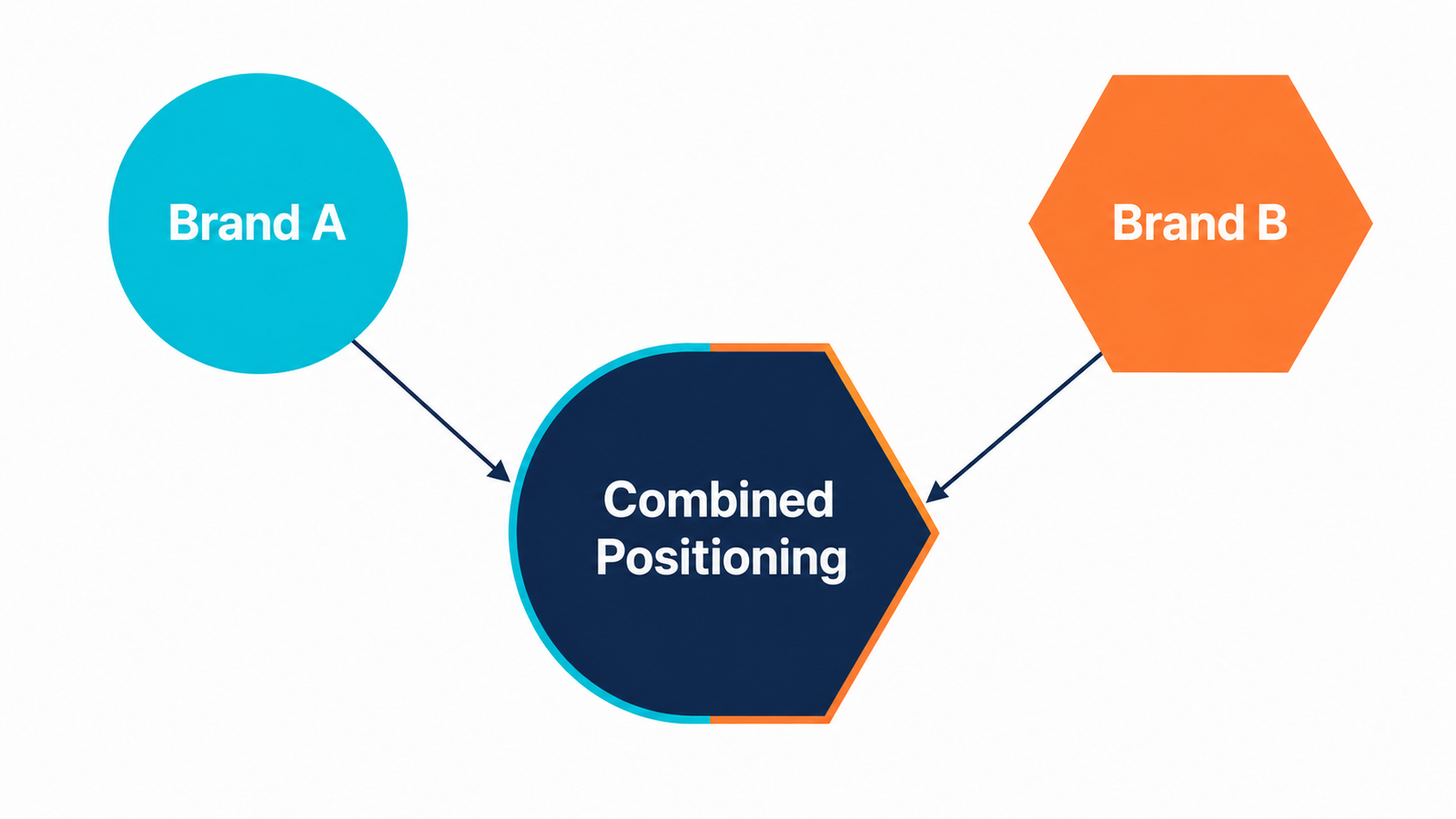
Protect the smaller brand's credibility deliberately
In most mergers, one brand has more market visibility than the other. Left unmanaged, integration marketing tends to default toward the bigger brand's voice and conventions, which can read as an acquisition even when the deal was structured as a merger of equals. I've made a point of preserving specific language, ingredient branding, and design elements from the less dominant brand where they were genuinely earning trust in their market, rather than defaulting to the larger brand's playbook out of convenience.
Sequence the visible changes carefully
Website, logo, sales collateral, product naming: all of it wants to change at once after a merger, and none of it should. I sequence visible changes deliberately, usually starting with the pieces that reduce customer confusion fastest, like clear naming and website navigation, before touching deeper brand elements that need more research and testing to get right.
The real success metric
Six months after a well-run merger integration, customers on both sides should be able to explain, in their own words, what changed and why, without sounding confused or defensive about it. That's a harder bar than a polished new homepage, and it's the one that actually matters.